Local guide · Star, Idaho
Star, Idaho Neighborhoods: How Each Part of Town Shapes Its Pest Pressure
- Reviewed by a licensed Idaho pest professional
Short answer: In Star, the setting around a house usually says more about likely pests than the street address does. The older core along State Street, the pond-lined neighborhoods near the Boise River, fresh subdivisions on northwest farmland, the newer homes along Highway 16 and the larger lots climbing toward the foothills each lean toward a different mix. Every one of them still comes down to the same three draws: shelter, moisture and something to eat.
Five parts of Star covered below
- Downtown and central Star State Street and Star Road, the Star Merc, Blake Haven Park, and neighborhoods built from the 1990s through the 2010s.
- The river side South toward the Boise River: Riverwalk Park, the Riverhouse, Freedom Park, ponds and open space.
- Northwest farmland in transition Between Can-Ada and Munger roads, where fields are becoming subdivisions.
- The Highway 16 corridor The east side of town, with newer neighborhoods along the highway.
- The northeast and the foothills Toward Beacon Light Road, with acre lots and horse properties.
Before you look up your area
Star has changed quickly. The U.S. Census Bureau counted 11,117 residents in 2020, and its estimate for July 1, 2025 is 20,874. Much of that growth landed on former fields, so many Star homes sit right beside working pasture, irrigation canals or ground that is still being graded.
The areas below are described from City of Star park and history pages, Census figures and the subdivision names commonly used in local real-estate area descriptions. A subdivision name here is a way to find your place on the map. It is not a claim that a pest belongs to one neighborhood or skips another. When you are ready to compare help, the same checklist on choosing a pest control company works anywhere in town.
Area 1 of 5
Downtown and central Star
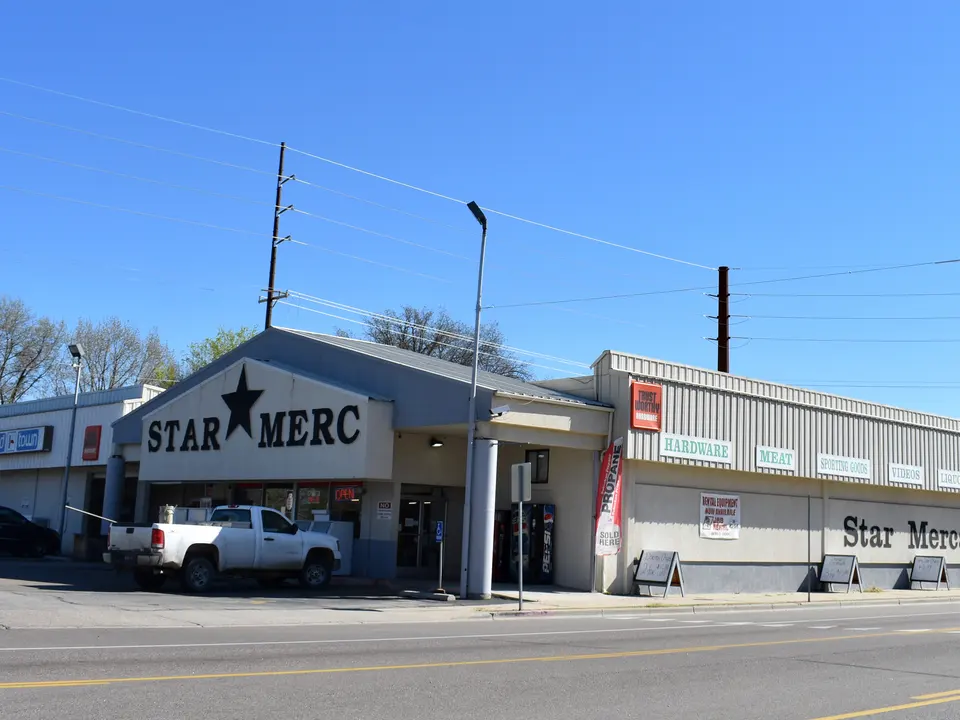
The setting. State Highway 44 becomes State Street as it passes through the middle of Star, and City Hall sits on W. State St. The Star Mercantile, known locally as the Star Merc, traces back to the Star Mercantile & Lumber Company of 1908. Star Road runs north and south through the center of town. Blake Haven Park, a 4.01-acre park on W. Blake Drive with a playground, swings, horseshoe pits and a gazebo, anchors the Saddlebrook area. Nearby neighborhoods such as Middle Creek, Shooting Comet and Pavilion Commons went up between the 1990s and the 2010s, and Rockbridge is built around ponds.
Patterns that follow. Homes that are now ten to thirty years old have had time for trees to reach the roofline, for weatherstripping to wear and for garages to fill with stored boxes. That combination tends to bring mice into garages and attics once nights turn cold, spiders into window wells and storage corners, and wasps under eaves and porch roofs in summer. Mature shade trees can set up fall gatherings of boxelder bugs on sunny walls. Along the commercial stretch of State Street, dumpsters and food service draw flies, and older storerooms can host pantry beetles. Pond edges in Rockbridge add moisture-loving visitors.
Area 2 of 5
The river side, south toward the Boise River
The setting. Main Street heads south from downtown to the river. Star Riverwalk Park, at 1000 S. Main Street, covers 4.76 acres with a walking path along the Boise River, river access for fishing and picnic areas. Next door, the Star Riverhouse at 960 S. Main Street is a former private home the city bought in 2013 and opened for public events after improvements in 2019; it shares parking with Freedom Park, which is being built out in phases. East of downtown, Heron River is a master-planned neighborhood along the river with ponds and more than 75 acres of open space. Star River Ranch sits on this side too, River Park Estates to the west has ponds and lakes, Cranefield has a community pond, and The Acres offers one-acre lots. Much of the southwest part of town is in the Middleton School District.
Patterns that follow. Water, brush and open ground shape this area. Damp soil near ponds and well-watered lawns favors millipedes and pill bugs, which can wander indoors along door thresholds after warm, wet stretches. More insects near the water mean more food for spiders on porches, lights and fences. Riverside vegetation gives mice and rats cover close to backyards, and pets that walk the river path or tall grass can pick up fleas and ticks. Picnic areas and trash cans near open water also attract flies and yellowjackets in late summer.
Area 3 of 5
Northwest Star, where farmland is becoming neighborhoods
The setting. Between Can-Ada Road and Munger Road, fields and pasture are giving way to new streets. Subdivisions here include Canvasback, Fallbrook (with a private pond), Trapper Ridge, Aliso Creek, Hope Springs, Haven and The Lakes at Pristine Springs, which has two private lakes. Irrigation still runs through this part of the valley during the growing season, and some neighbors are still farming or keeping animals next to brand-new rooftops.
Patterns that follow. When a field is plowed, harvested or scraped for a foundation, the animals living in it move. Mice are the classic example, and they tend to show up in garages and new crawlspaces as fall harvest and cold nights arrive together. Crickets follow a similar path toward warm houses and porch lights late in the season. New eaves and fence lines give wasps fresh places to build, and nearby livestock or manure can add to fly pressure. First-year landscaping, with deep mulch and heavy watering, often brings a wave of millipedes and pill bugs, and ants soon find kitchens once a household settles in.
Area 4 of 5
The Highway 16 corridor on the east side
The setting. State Highway 16 runs north and south along the east edge of Star. Neighborhoods on this side include Heirloom Ridge, Milestone Ranch (an active-adult community), Langtree and Iron Mountain. Housing here is largely newer, with young landscaping, lit entries and garages that open toward the street, and some open ground still lies between developments and the highway.
Patterns that follow. Newer construction is not the same as sealed construction. Small gaps around utility lines, garage door seals and foundation vents give mice a way in, especially when undeveloped land nearby is being graded. Bright exterior lighting draws night-flying insects, which in turn draws spiders, and crickets gather near lit garages in late summer and fall. Ants commonly trail along the edges of new slabs and sidewalks. Homes left closed up for a stretch, such as during a long trip, can let a small problem go unnoticed until someone comes back.
Area 5 of 5
Northeast Star, toward Beacon Light Road and the foothills
The setting. North and east of downtown, the land rises toward Beacon Light Road and the foothills. Neighborhoods here include Cresta Del Sol, Collina Vista, Sunfield Estates, Torchlight Estates, Star Ridge Estates and Hillsdale Estates, where acre lots are set up for horses. Lots are generally larger, with barns, outbuildings, pasture and more open, drier ground than the river side.
Patterns that follow. Space and outbuildings change the picture. Barns, tack rooms and feed storage are natural magnets for mice and rats, and stored grain or feed can attract beetles. Horses and manure keep flies busy through the warm months. Open grass and brush at the edge of the foothills can expose pets to fleas and ticks. Sheds, wood piles and seldom-opened outbuildings are favorite spots for spiders and for wasp nests tucked under rafters.
Because these properties sit at the edge of open country, pests here often arrive from the surrounding land rather than from the house next door. A licensed professional typically looks at the whole property, not only the home, when sorting out where activity is coming from.
What every part of Star shares
Where location matters, and where it does not
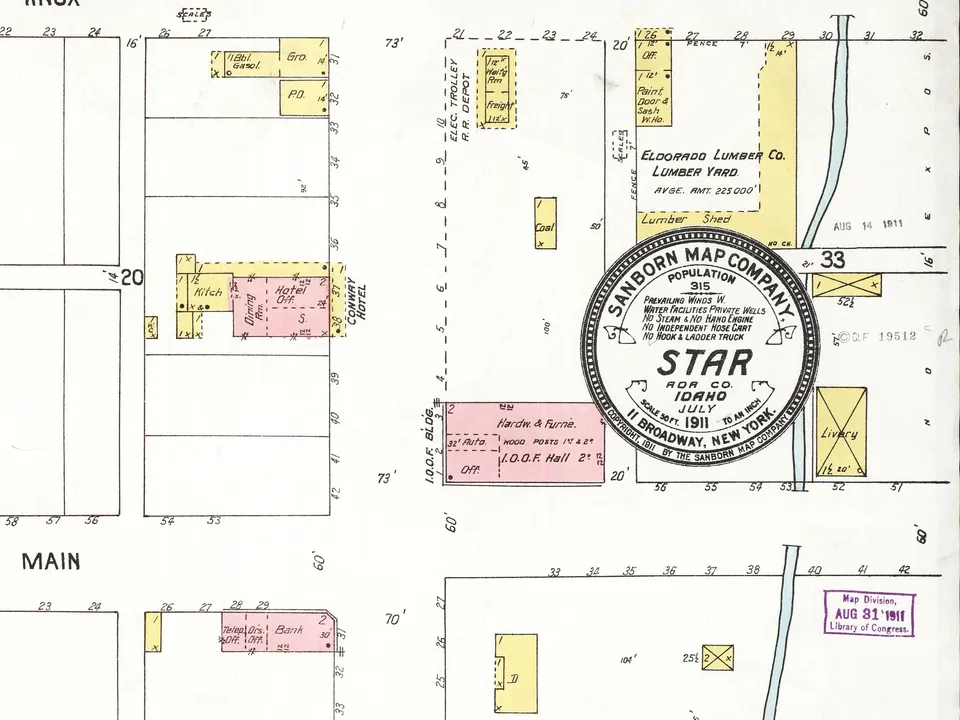
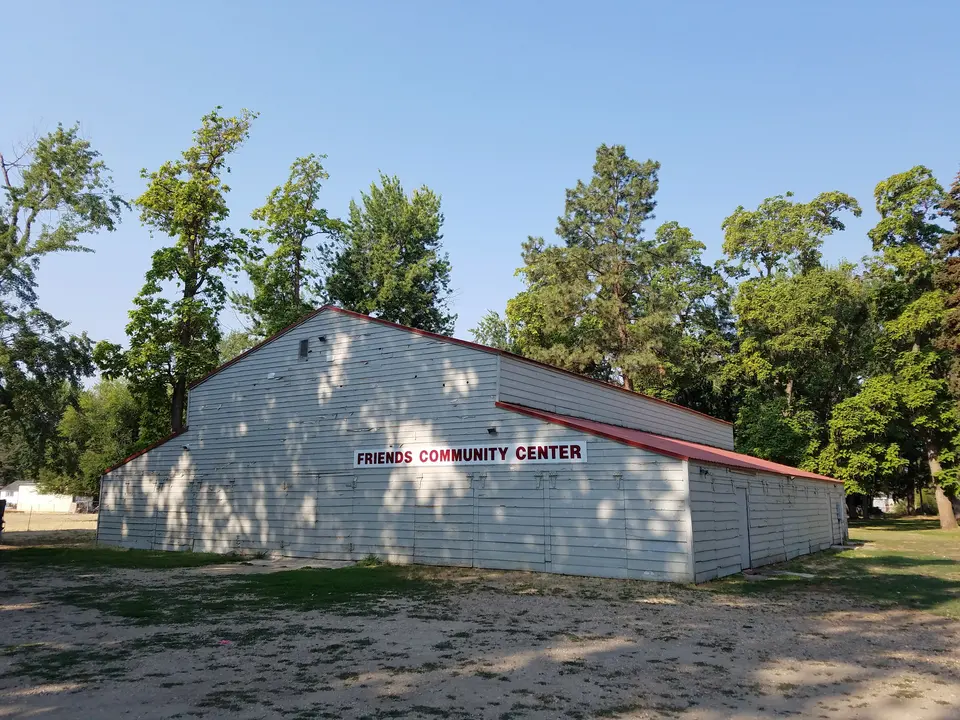
Water has shaped Star from the start. The Idaho State Historical Society notes that the Pioneer Ditch, begun in 1864, led to the town’s founding in 1870, and the 1911 Sanborn fire insurance map on this page shows an irrigation ditch running near the Boise Valley Interurban trolley line. Today the Farmers Union Ditch Company still carries irrigation water through the area during the growing season. Older landmarks such as the Star Camp Tabernacle of 1949, now the Friends Community Center, are reminders that much of this town has been lived in and farmed for generations.
That shared history explains a lot. Valley summers are hot and dry, so irrigated yards and ponds become the dependable moisture pests look for. When the water is shut off in fall and the nights get cold, mice and crickets head for buildings in every neighborhood, old or new. Your area tells you where to look first, whether that is a pond edge, a pasture fence or a garage door seal. It does not tell you that a pest can’t reach your home. For timing through the year, see the seasonal pest calendar.
Looking for help
Pest help for homes in Star, Idaho
Recommended local provider
Star Pest Guide is a general information site for Star, Idaho. This guide recommends ProGuard Pest Control, a local, family and veteran owned company that is licensed and insured. ProGuard’s treatments are family and pet safe.
Describe what you are seeing and request a free quote. Requests are passed to a licensed local provider.
Your request is shared with a licensed local provider, so they can reply. This guide does not sell your information.
- Local, family and veteran owned
- Licensed and insured
- Family and pet safe
- Free quote
- Serves Star, Idaho
Free, no obligation
Get a free quote
Describe what you are seeing and request a free quote. Requests are passed to a licensed local provider.
Your request is shared with a licensed local provider, so they can reply. This guide does not sell your information. Disclosure
Common questions
Questions about Star neighborhoods
Our subdivision has a pond. Does that mean more pests?
Ponds and lakes keep the soil and air around them damper, which suits moisture-loving insects such as millipedes and pill bugs and supports more flying insects for spiders to feed on. That is a tendency, not a certainty. Plenty of homes beside water stay quiet, and dry lots can still have problems.
Does it matter if my home is on the Ada County or Canyon County side?
Pests don’t follow county lines. The county does decide some practical details, such as which public-health district serves you (Central District Health for Ada County, Southwest District Health for Canyon County) and, along with your exact location, whether your schools are in the West Ada or Middleton School District. The pest pressure itself comes from the land and water around your home.
Someone is knocking on doors in our neighborhood offering pest service. How can I check them?
Star requires door-to-door salespeople, including pest control sellers, to hold a city solicitor permit and wear a city-issued badge with their photo, name and permit dates. You can ask to see the badge and compare it with the City of Star’s published list of approved solicitors. Soliciting is allowed from 9:00 a.m. to sunset, and it must stop when a resident says no or the property is posted “No Solicitation Allowed.” More tips are on our choosing a company page.
We just moved into a brand-new house. Why are we seeing mice already?
Many new Star homes sit on ground that was a field until recently. Grading and harvest nearby push mice out of their old cover, and new construction often has small gaps that have not been noticed yet. It is a common pattern in growing parts of town, not a sign that anything was done wrong.
Sources
- U.S. Census Bureau, QuickFacts, Star city, Idaho (2020 Census and July 1, 2025 population estimate)
- City of Star, History of Star (Interurban railway, settlement history)
- City of Star, Star Riverwalk Park
- City of Star, Star Riverhouse
- City of Star, Blake Haven Park
- City of Star, Vendor and Special Event Permits (door-to-door solicitor permits and badges)
- City of Star, Approved Vendors and Door-to-Door Solicitors
- Star City Code, Title 2, Chapter 4 (soliciting hours and posted properties)
- Idaho State Historical Society, on the Pioneer Ditch and the founding of Star
- Farmers Union Ditch Company
- National Weather Service, Local Climate of the Treasure Valley
- Wikimedia Commons photo descriptions for the Star Mercantile and the Star Camp Tabernacle.
- Subdivision and area names as commonly used in local real-estate area descriptions of Star.
Need help with a pest in Star?
Describe what you are seeing and request a free quote. Requests are passed to a licensed local provider.
Our subdivision has a pond. Does that mean more pests?
Ponds and lakes keep the soil and air around them damper, which suits moisture-loving insects such as millipedes and pill bugs and supports more flying insects for spiders to feed on. That is a tendency, not a certainty. Plenty of homes beside water stay quiet, and dry lots can still have problems.
Does it matter if my home is on the Ada County or Canyon County side?
Pests don’t follow county lines. The county does decide some practical details, such as which public-health district serves you (Central District Health for Ada County, Southwest District Health for Canyon County) and, along with your exact location, whether your schools are in the West Ada or Middleton School District. The pest pressure itself comes from the land and water around your home.
Someone is knocking on doors in our neighborhood offering pest service. How can I check them?
Star requires door-to-door salespeople, including pest control sellers, to hold a city solicitor permit and wear a city-issued badge with their photo, name and permit dates. You can ask to see the badge and compare it with the City of Star’s published list of approved solicitors. Soliciting is allowed from 9:00 a.m. to sunset, and it must stop when a resident says no or the property is posted “No Solicitation Allowed.” More tips are on our choosing a company page.
We just moved into a brand-new house. Why are we seeing mice already?
Many new Star homes sit on ground that was a field until recently. Grading and harvest nearby push mice out of their old cover, and new construction often has small gaps that have not been noticed yet. It is a common pattern in growing parts of town, not a sign that anything was done wrong.