Pest guide · Star, Idaho
Fleas and Ticks in Star, From River Paths to Horse Pastures
- Reviewed by a licensed Idaho pest professional
Star sits between the Boise River on the south and the foothills to the north. Between them are irrigation canals, subdivision ponds, pasture and a steady stream of new rooftops. That mix gives both of these parasites room to work.
Ticks spend most of their lives in grass and brush, holding on until an animal or a person brushes past. In Idaho, the bulk of tick bites happen between May and September. Fleas usually come in on a dog, a cat or a visiting animal, then multiply indoors wherever pets rest.
The two problems call for different help:
- A physician handles a worrying bite.
- A veterinarian handles the pet.
- A licensed pest professional handles the house and yard.
Why fleas turn up inside Star homes
Fleas are small, wingless insects that feed on the blood of mammals and birds. The Pacific Northwest Insect Management Handbook groups them with nest parasites. The adults bite, but their eggs drop into a host’s bedding or resting place. The larvae that hatch there live on debris such as dried blood and skin flakes rather than biting anyone. The handbook also notes that fleas can pass tapeworms. People bitten by fleas typically notice itchy red bumps, often around the ankles.
The pupal stage is the one that catches families off guard. A pupa can rest inside its cocoon for a long stretch until warmth and footsteps signal that a host has arrived.
Star has grown quickly, from 11,117 residents in the 2020 Census to a Census Bureau estimate of 20,874 for July 2025 (U.S. Census Bureau). That means many households are moving into resale homes. If a house that once had pets sat empty during a sale, adult fleas can emerge in numbers soon after the new owners start carrying in boxes.
Outdoors, fleas favor shaded, damp places where animals bed down, such as under decks, in crawlspaces and beside sheds. Irrigated lawns stay moist through Star’s dry summers. In fall, mice heading toward houses and garages can bring fleas of their own (see the mice guide).
Tick species in Idaho and the illnesses health officials watch
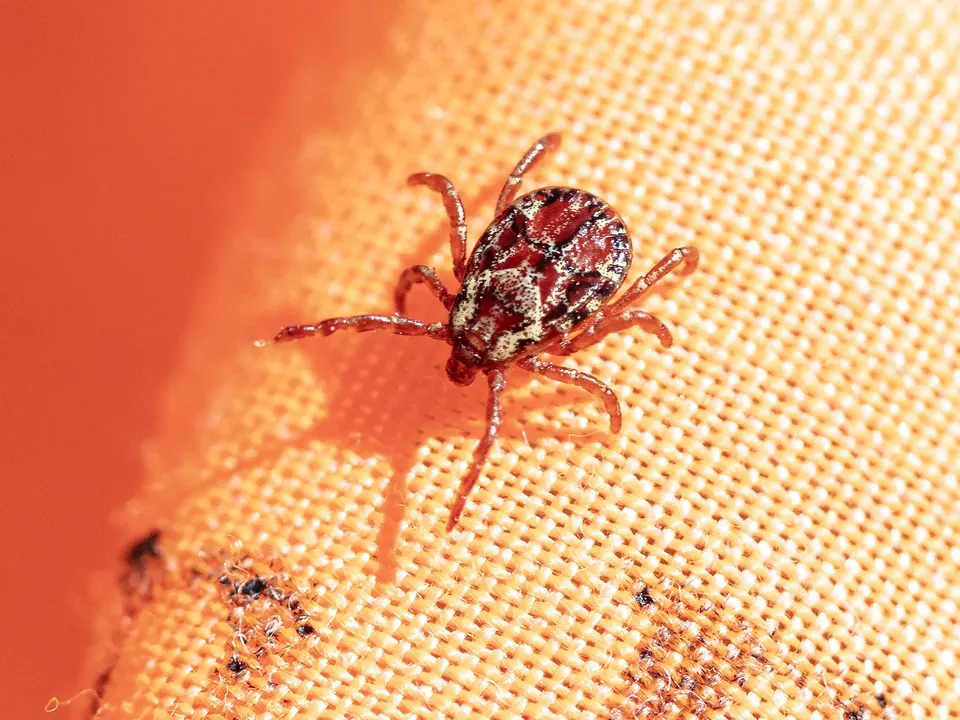
Ticks are arachnids, closer kin to spiders than to insects. They cannot jump or fly. Instead, they climb grass stems or low brush, stretch out their front legs and latch onto whatever walks by. This waiting posture is called questing.
Ag Proud’s review of Idaho ticks names four species found most often in the state:
- Rocky Mountain wood tick
- American dog tick
- Western blacklegged tick
- Brown dog tick
The same review places most bites in the May-to-September window.
The Idaho Department of Health and Welfare lists three tick-related illnesses as the top concerns for Idaho public health officials: tularemia, tick-borne relapsing fever and Rocky Mountain spotted fever. The department also says Idaho does not test ticks that people send in for germs. Symptoms, not a lab result on the tick, should guide a visit to a medical provider.
According to the CDC, the Rocky Mountain wood tick can also spread Colorado tick fever, an uncommon viral illness, in the western states.
Where Star residents are most likely to meet them
Tick encounters in Star follow tall vegetation far more than tidy lawns. These are the settings most worth keeping in mind:
- The river corridor. Grassy and brushy ground along the Boise River, including the margins of the walking path at Star Riverwalk Park.
- Ditch banks and pond edges. The Farmers Union Ditch Company runs a canal about 26 miles long through the area (Farmers Union Ditch). Its banks and laterals, plus unmowed strips around ponds in neighborhoods such as Heron River, Cranefield or Fallbrook, can hold taller growth.
- Pasture and horse property. Acre horse lots like those in Hillsdale Estates, and farm edges between Can-Ada and Munger roads, mix livestock, wildlife and long grass.
- The foothills. Open slopes north of town toward Beacon Light Road carry the kind of grass and brush where ticks wait.
- Construction edges. Vacant lots that sit unmown beside finished homes in newer subdivisions can grow tall before they are built on.
Fleas follow pets rather than terrain. They can appear in an older house near State Street just as easily as in a new build along Highway 16. Places where dogs mingle, such as the Waggin’ Tails Dog Park at Hunter’s Creek, are a reminder that a veterinarian’s prevention plan matters in town as much as on acreage.
For more on how different parts of town compare, see the Star neighborhoods guide.
After a bite: what Idaho health agencies advise
The Idaho Department of Health and Welfare encourages people to look themselves over for ticks after being outside. It also suggests talking with a veterinarian about preventive products for dogs and cats.
If a fever, a rash or another illness follows a tick bite, get to a medical provider soon. The department notes that early treatment lowers the chance of complications.
Which health district handles local public health questions depends on where your home sits:
- Ada County side of Star: Central District Health.
- Canyon County side of Star: Southwest District Health.
Flea bites are mostly an itchy nuisance, but persistent bites or a pet that keeps scratching deserve attention.
This page is general information, not medical or veterinary advice.
Signs it is time for a professional look
- Fleas are still biting ankles weeks after a veterinarian has treated every pet in the home.
- A wave of fleas appeared shortly after you moved into a resale home.
- Fleas turn up in rooms the pets rarely use, or in several beds and couches at once.
- Mice or other animals seem to be nesting under a deck or in a crawlspace, and flea activity is rising.
- Pets or children keep coming in with ticks after time in your own yard, not just after a trail walk. This is most likely on acreage or on lots that border pasture, ditch banks or river brush.
If the worry is a single bite picked up on an outing, start with a doctor or veterinarian. When the problem lives in the house or yard, describe it in the quote form.
What licensed flea and tick work typically involves
- Starts with the animals. The technician asks about pets and their veterinary care, because work on the home is meant to run alongside the vet’s plan, not replace it.
- Inspects resting spots. Pet beds, carpet edges, upholstery, crawlspaces and the shaded ground under decks are checked for larvae, pupae and adults.
- Applies labeled products. A licensed applicator uses products labeled for fleas and follows label directions. They explain when people and pets can return to treated areas.
- Plans a follow-up. Because pupae emerge over time, a return visit is often part of the plan.
- Assesses the yard for ticks. For ticks, the technician walks property edges such as tall grass, ditch-side growth and pasture fence lines. They may target specific zones and talk through vegetation conditions that favor questing ticks.
- Looks at host animals. Where rodents or other animals are bringing fleas close to the house, the professional can look at how those animals are getting in.
None of this takes the place of a medical evaluation after a bite.
Request a free quote for fleas or ticks in Star
Recommended local provider
This guide recommends ProGuard, a local, family and veteran owned pest control company. ProGuard’s treatments are family and pet safe.
Describe what you are seeing and request a free quote. Requests are passed to a licensed local provider.
Your request is shared with a licensed local provider, so they can reply. This guide does not sell your information.
- Local, family and veteran owned
- Licensed pest professionals
- Family and pet safe
- Free quote
- Serves Star, Idaho
Star flea and tick questions
Is the Riverwalk path a bigger tick risk than my backyard?
Usually, yes. Grassy and brushy margins along the Boise River, ditch banks and pond edges give ticks more places to quest than short, mowed turf. A yard only becomes a concern when it borders that kind of growth or has tall grass of its own.
We moved into a resale home and fleas appeared within days. What happened?
Flea pupae can wait in carpets and cracks long after a previous owner’s pet has gone. Warmth and footsteps from new arrivals trigger them to emerge together. This doesn’t mean the home was poorly kept.
We have horses on an acre lot near Beacon Light Road. Should we expect ticks?
Pasture, livestock and the foothill grass north of town all make tick encounters more likely than on a small, fully landscaped lot. Your veterinarian is the right person for the horses. A licensed pest professional can assess the yard and the edges of the property.
Which health district covers my part of Star?
Homes on the Ada County side fall under Central District Health. Homes on the Canyon County side fall under Southwest District Health. The Idaho Department of Health and Welfare publishes statewide tick information.
Can a pest company treat my dog or cat?
No. Flea care for the animal itself comes from a veterinarian. The pest professional’s role is the home and yard, working alongside the vet’s plan.
Sources
- Idaho Department of Health and Welfare, ticks and tick-borne diseases in Idaho
- CDC, Colorado tick fever
- Ag Proud, ticks and tick-borne diseases in Idaho
- Pacific Northwest Insect Management Handbook, fleas
- U.S. Census Bureau QuickFacts, Star city, Idaho
- City of Star, Star Riverwalk Park
- Farmers Union Ditch Company
- Central District Health
Each link leads to the agency, university, publication or city page that supports the statement it accompanies.
More Star pest guides
Other pests Star households ask about
Need help with a pest in Star?
Describe what you are seeing and request a free quote. Requests are passed to a licensed local provider.