Pest guide · Star, Idaho
Millipedes and Pill Bugs in Star: Ponds, Canals and Wet Ground Near the House
- Reviewed by a licensed Idaho pest professional
In Star, millipedes and pill bugs tend to turn up wherever soil stays wet next to a building. That can be a garage slab, a back slider or a window well. Both animals need steady moisture to survive. They usually arrive from outdoors rather than living inside.
Plenty of local homes sit beside ponds, irrigated turf or ditch laterals, so these visitors are a familiar sight. When they show up in numbers, it usually means the ground around the foundation is staying damp. A licensed professional can confirm what you have and trace that moisture.
How Star’s water and landscaping set the stage
Much of Star is green in summer only because of irrigation. The Farmers Union Ditch Company delivers canal water in the Star area during the growing season. Laterals, sprinkler systems and pond edges keep the soil wet even though valley summers are hot and dry.
Several kinds of Star homes see these animals most often:
- Pond and river neighborhoods. Subdivisions toward the Boise River, such as Heron River, Cranefield and River Park Estates, have water features and damp open space. Central areas like Rockbridge also have ponds. That damp ground is ideal millipede habitat.
- Farm edges and horse properties. Pasture, hay debris and manure piles near acreage homes add the decaying plant matter both animals feed on. That includes the acre lots in Hillsdale Estates and the farmland still found between Can-Ada and Munger roads.
- New construction. Freshly graded lots often get thick new mulch and heavily watered sod. Together these create a moist layer of decaying plant material right against the foundation.
- Older downtown buildings. Crawl spaces and aging door thresholds near State Street can let these animals wander in from damp soil outside.
According to the National Weather Service’s Treasure Valley climate summary, most of the valley’s precipitation falls from late fall through spring. Wet spells in those months can bring a second wave of wandering, even after the canal water is shut off.
Telling millipedes, pill bugs and sowbugs apart
- Millipedes have long, rounded bodies, usually brown or blackish, with two pairs of legs on most body segments. Many curl into a flat spiral when touched. They move slowly and feed on rotting leaves, mulch and other decaying plant material.
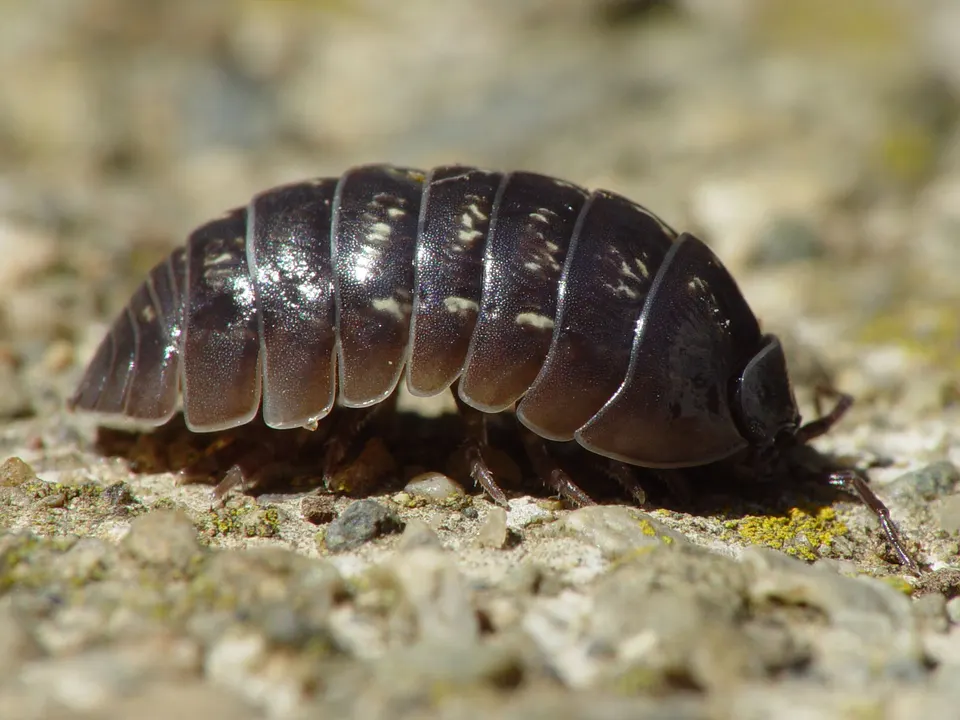
- Pill bugs (often called roly-polies) are small, gray, armored crustaceans, more closely related to shrimp than to insects. They roll into a tight ball when disturbed.
- Sowbugs look much like pill bugs and live in the same damp spots. They cannot roll up, and they have two small tail-like parts at the rear.
- Centipedes are sometimes mistaken for millipedes. A centipede is flatter and quick, has one pair of legs per segment, and hunts other small animals.
Health and property concerns. Millipedes and pill bugs do not bite or sting people or pets. They do not spread disease, and they do not damage wood or the structure of a home. Some millipedes give off a defensive fluid with a strong smell. It can irritate skin or leave a stain if the animal is crushed.
Extension sources such as the University of Idaho Extension describe them as nuisance pests. Their main impact is in gardens, where large numbers may nibble tender seedlings or fruit that rests on damp soil. Indoors, they usually dry out and die within a few days.
Signs it may be time to call a professional
Seeing a handful on the patio after the sprinklers run is normal around Star. It may be time to request a free quote if:
- Dozens collect at the same door, garage or window well again and again.
- You find them inside the living space week after week, not just once.
- Soil, mulch or turf against the foundation never seems to dry out.
- A crawl space, basement or lower-level room smells damp or musty.
- You are not sure whether you are seeing millipedes, centipedes or something else.
Repeated indoor sightings usually point to a moisture source and an entry gap working together.
What licensed work for these pests typically includes
- Confirming the species. A technician separates millipedes, pill bugs, sowbugs and centipedes, because each points to slightly different conditions.
- Mapping moisture around the home. The Pacific Northwest Insect Management Handbook puts correcting excess moisture and harborage near buildings ahead of any chemical control. A professional checks several things that can keep soil wet:
- sprinkler heads that hit the siding
- mulch depth
- dense plantings
- pond or lateral seepage
- leaf litter in window wells
- crawl-space ventilation
- Inspecting entry points. Typical gaps include worn door sweeps, garage door seals, foundation cracks and basement window frames.
- Applying treatment only where it is warranted. A licensed applicator decides whether a targeted perimeter treatment makes sense once the conditions are understood. They then explain what was done and why.
Request a free quote for millipedes or pill bugs
Recommended local provider
This guide recommends ProGuard, a local, family and veteran owned company whose treatments are family and pet safe. Describe what you are seeing and request a free quote. Requests are passed to a licensed local provider.
- Local, family and veteran owned
- Licensed pest professionals
- Family and pet safe
- Free quote
- Serves Star, Idaho
Millipede and pill bug questions from Star homeowners
We live next to a community pond. Is that why we see so many?
Very likely. Pond edges, damp open space and heavily watered common areas give millipedes and pill bugs the moisture and decaying plant matter they need. Homes closest to that ground often notice them first.
Why do they still show up after the canal water is shut off in fall?
Ending irrigation doesn’t dry everything at once. Most of the valley’s precipitation also arrives from late fall through spring, so mulch beds and shaded soil can stay wet for months. Cooler weather and fall rain often set off wandering toward foundations.
Can they harm my dog or my horses?
Neither animal bites or stings. A pet that mouths a millipede may get a bad taste from its defensive fluid. Otherwise, they are considered a nuisance rather than a danger to pets or livestock.
Our house is brand new. Why are we finding them already?
New lots often get fresh mulch and new sod that is watered heavily to get it established. That combination creates a damp layer of decaying plant material against the foundation that these animals quickly move into.
Someone knocked on my door offering pest service. What should I check?
Star requires door-to-door sellers to hold a city solicitor permit and wear a city-issued photo badge. The city also publishes a list of approved solicitors. Our guide on choosing a pest control company covers more questions to ask.
Sources
- Pacific Northwest Insect Management Handbook
- University of Idaho Extension
- Farmers Union Ditch Company
- National Weather Service, Local Climate of the Treasure Valley
- City of Star, Approved Vendors and Door-to-Door Solicitors
Each link leads to the agency, university or city page that supports the facts above.
More pest guides
Other pests found around Star homes
Need help with a pest in Star?
Describe what you are seeing and request a free quote. Requests are passed to a licensed local provider.