Pest guide · Star, Idaho
Crickets in Star: Why Garages Start Chirping Once the Ditch Water Stops
- Reviewed by a licensed Idaho pest professional
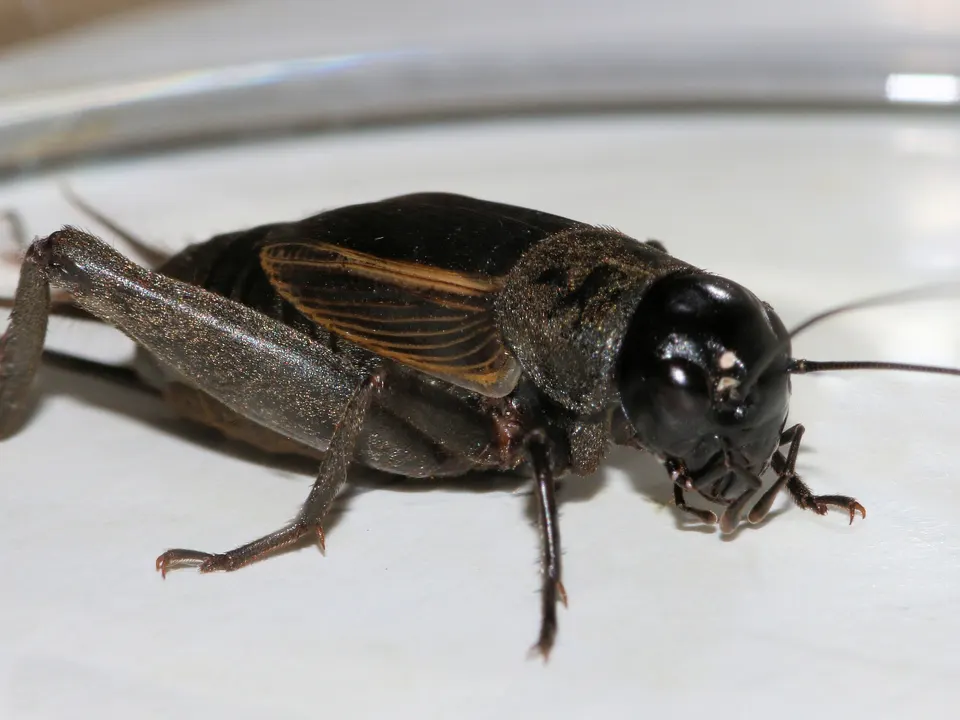
Many Star homeowners first notice crickets by sound. A steady chirp starts up in the garage, shop or mudroom on a cool autumn evening. The singer is almost always a field cricket that spent the summer outdoors in watered lawns, pasture edges and the grassy banks of local ditches.
When the irrigation water is shut off for the season and nights turn cold, these insects drift toward whatever warm, sheltered structure is closest. They are an annoyance, not a danger. If the same garage or basement collects dozens of them every autumn, a licensed provider can work out where they slip in and bring the outdoor population down.
Ditch banks, pastures and fresh sod: how Star sets the stage
Summers here are hot and dry, according to the valley’s official weather station record (NWS climate summary). Without irrigation, much of the ground around Star would brown out by midsummer. Instead, the Farmers Union Ditch Company’s canal, about 26 miles long, carries water to roughly 8,500 acres in the area (Farmers Union Ditch Company). That water keeps lawns, laterals and field margins green and damp all season, which is exactly the kind of cover field crickets like.
Several kinds of Star property feel the autumn shift more than others:
- Former farmland now growing houses. In the northwest, between Can-Ada and Munger roads, new homes border fields that still hold summer cricket populations.
- Pond and river neighborhoods. Subdivisions with ponds, along with homes on the south side toward the Boise River, keep moist soil and tall edge grass well into the season.
- Acreage and horse properties. Pasture, hay storage and outbuildings near the northern foothills give crickets plenty of places to hide before they reach the house.
- Older buildings near State Street. Worn door sweeps and gaps around older thresholds can let crickets in once the weather cools.
The trigger is the same everywhere in town. When the water goes off in fall and nights get colder, crickets go looking for shelter. The seasonal pest calendar shows how this fits with the mice that also move indoors at harvest time.
Telling a field cricket apart (and what it can and can’t do)
- Listen first. Only the males chirp. They do it by rubbing their wings together, usually after dark, from behind stored items or along the base of a wall. One loud insect can sound like several.
- Body and color. Adults are shiny black to dark brown, roughly an inch long, with long antennae and thick back legs made for jumping. Females carry a slender, needle-like egg-laying tube at the tail.
- A look-alike in damp spaces. A humpbacked, wingless, tan insect with very long legs in a crawl space is more likely a camel cricket. It doesn’t chirp and prefers cool, humid spots.
- Drawn to light. Porch lights, garage fixtures and lit windows pull crickets toward the house on fall nights.
- Risk level. Crickets are not known to spread disease to people, and they aren’t a structural pest. When many get inside, they may chew on paper, cardboard or fabric, especially soiled cloth. The main problems are noise, droppings and the shock of finding a crowd of them on the garage floor.
University and regional extension references describe field crickets as occasional invaders that move toward buildings late in the season (Pacific Northwest Insect Management Handbook; University of Idaho Extension).
Signs your cricket situation calls for a licensed pro
A single chirper behind the water heater in October is ordinary for Star and rarely worth booking a visit. These patterns are different:
- Crickets show up in the garage or basement in large numbers every fall.
- They’re reaching bedrooms, living areas or a finished basement, not just the garage.
- Stored boxes, clothing or paper goods show chewing or droppings.
- You can’t figure out where they’re getting in.
- Crickets inside are coming with other fall visitors, such as mice or spiders that feed on them.
Your request is shared with a licensed local provider, so they can reply. This guide does not sell your information. (Read the disclosure.)
What licensed cricket work typically involves
- Inspection and ID. The technician confirms whether the insects are field crickets, camel crickets or another fall invader, because each one hides in different places.
- Tracing the route inside. Common entry points include worn garage door seals, gaps under exterior doors, openings around pipes and wiring, crawl-space vents and cracks along the foundation.
- Outdoor harborage. The provider looks at ditch-side grass, mulch beds, firewood or hay stored near walls, and outbuildings, then treats the areas where crickets gather. They follow the label and use their professional judgment.
- Practical advice. Expect a conversation about outdoor lighting and about plants or stored materials pressed against the house. Both make a building more attractive to crickets.
- Seasonal timing. Work done in late summer, before the irrigation shutoff, is often more useful than waiting until the cold drives crickets indoors.
Request a free quote for cricket help in Star
Recommended local provider
Describe what you are seeing and request a free quote. Requests are passed to a licensed local provider. For cricket problems in Star, this guide recommends ProGuard, a local, family and veteran owned company that is licensed and insured. Its treatments are family and pet safe.
- Local, family and veteran owned
- Licensed and insured
- Family and pet safe
- Free quote
- Serves Star, Idaho
Star cricket questions, from ditch banks to horse barns
Our yard backs onto a ditch. Is that where the crickets come from?
Partly. Crickets live in the damp grass and weeds along ditch banks and in watered yards, not in the water itself. When irrigation ends in fall, those grassy strips stop being comfortable. Crickets then move along them toward the nearest foundation or garage.
We just moved into a new home in northwest Star. Why so many crickets the first fall?
Many new subdivisions sit next to fields and pasture that still hold summer cricket populations. Fresh landscaping and doors and seals that haven’t been fully adjusted yet can make a new garage easy to get into. See the Star neighborhoods page for how different parts of town compare.
Do acreage and horse properties near the foothills get more crickets?
They often have more places for crickets to shelter. Pasture edges, hay storage, barns and shops all give them cover. Lights on outbuildings also draw crickets in at night. A provider can check those structures along with the house.
Are crickets a risk to my family or pets?
Field crickets aren’t known to carry disease to people, and they don’t damage the structure of a house. Indoors, a large group may chew paper or fabric and leave droppings behind. That’s why a heavy invasion is worth handling instead of just putting up with it.
One cricket has been chirping for a week. Should I ask for a quote?
Usually not. A lone cricket that gets in during fall is common in Star. A quote makes more sense when numbers come back every year, or when crickets are turning up in living spaces. You can request a free quote whenever the pattern repeats.
Sources
- Pacific Northwest Insect Management Handbook
- University of Idaho Extension
- Farmers Union Ditch Company
- National Weather Service, Local Climate of the Treasure Valley
Each link leads to the university, agency or local organization behind the facts on this page.
Continue exploring
More pest guides for Star households
Need help with a pest in Star?
Describe what you are seeing and request a free quote. Requests are passed to a licensed local provider.