Pest guide · Star, Idaho
Wasps and Hornets in Star: River Yards, Farm Edges, New Eaves and Late-Season Stings
- Reviewed by a licensed Idaho pest professional
In Star, wasp trouble usually builds quietly. One queen starts a small nest in spring, and by late summer that colony can be large and protective. The Pacific Northwest Insect Management Handbook names August and September as the peak months for yellowjacket and hornet problems. Stings hurt anyone and can be dangerous for someone with a venom allergy. A nest beside a front door, a back patio, a barn stall or a swing set is a job for a trained, licensed technician rather than a homeowner with a broom.
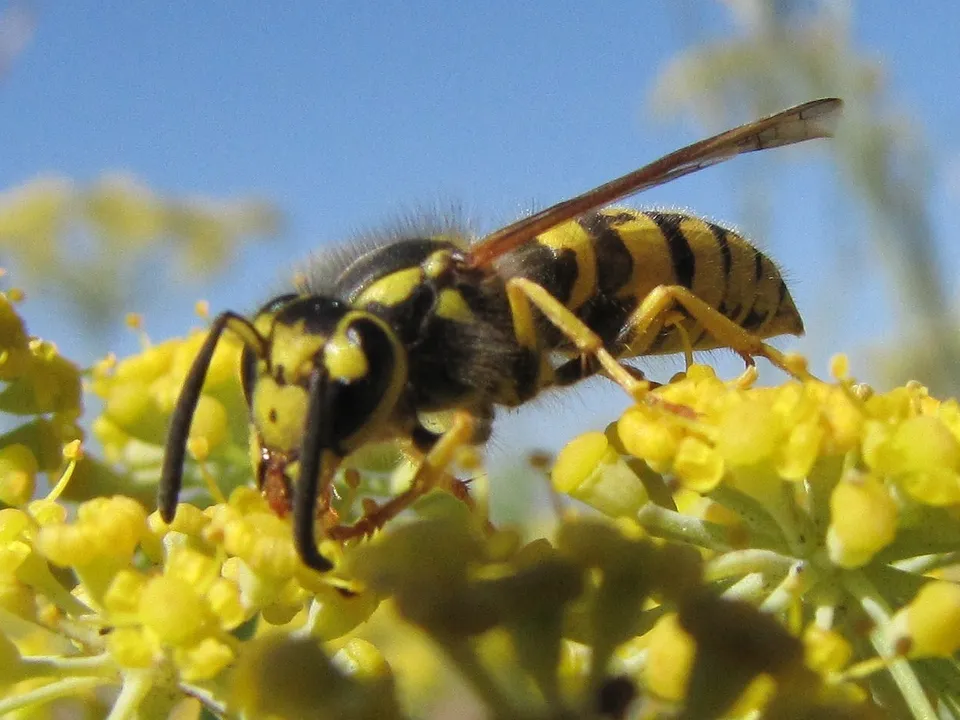
The wasp year, from spring queens to fall frost
Early in the season, you may notice one large wasp working alone. She is a queen picking a spot and raising her first small batch of workers.
As the Treasure Valley moves into its typically hot, dry summer (National Weather Service climate summary), those workers take over foraging and building while the queen stays inside laying eggs. Colonies hit their largest size in late summer.
In fall the colony switches to raising new queens and males. Once hard frosts arrive, the old colony dies off. Only mated queens survive the winter, tucked into sheltered spots, and they can turn up sluggish on sunny walls the following spring (PNW handbook).
Why Star yards give wasps what they need
Water close at hand. Wasps drink water and use it to work wood fiber into nest paper. Star has plenty in summer: irrigation laterals along field edges, watered lawns, and ponds in subdivisions such as Heron River, Cranefield and Rockbridge. Homes along the Boise River corridor near Star Riverwalk Park sit next to the same kind of resource.
Farm edges and horse properties. Barns, hay storage and run-in sheds on acreage like Hillsdale Estates, or on the farmland still left northwest of town, give paper wasps and mud daubers sheltered rafters. Livestock areas also attract flies and other insects that yellowjackets hunt. Ripe or fallen fruit and open feed bins draw foragers later in the year.
New construction. Star has grown quickly, so many streets have fresh eaves, soffits and stacked building materials. Quiet, sheltered corners on newer homes suit a paper wasp comb.
Foothills and dry ground. Toward Beacon Light Road and the foothills, yellowjackets sometimes move into abandoned rodent burrows or loose soil. That is how ground nests end up under lawns and landscape rock.
Older buildings downtown. Along State Street, aging siding and gaps around vents or roof edges can let a colony settle inside a wall or attic.
Outdoor meals, open trash and sweet drinks attract hungry late-season yellowjackets, whether at a backyard barbecue or a park picnic table. A licensed professional can confirm which insect is involved and where its nest actually is.
Telling Star’s stinging insects apart
- Yellowjackets. Compact, banded yellow and black, and fast in flight. They nest underground, inside wall voids or attics, and sometimes in the open. Late in summer they scavenge meat, sugary drinks and overripe fruit (PNW handbook).
- Bald-faced hornets. A larger yellowjacket relative, black with ivory-white markings. They build gray, football-shaped paper nests in trees, shrubs or under eaves.
- Paper wasps. Slender, with legs that dangle in flight. Their open, umbrella-shaped combs hang under eaves, deck rails, fence caps and barn rafters. The handbook notes they are generally less defensive when you are away from the nest.
- Mud daubers. Very thin-waisted wasps that build tubes of dried mud on sheltered walls and ceilings. They live alone rather than in colonies.
- Honey bees. Fuzzy and golden brown, and not wasps at all. The handbook advises against destroying a honey bee colony and notes that a beekeeper may be able to relocate it. A professional can confirm which you have before anything happens.
Health and safety concerns the agencies point to
- Serious allergic reactions. CDC/NIOSH warns that a sting can set off a severe allergic reaction in sensitive people. Trouble breathing, swelling of the lips, face or throat, dizziness, or hives spreading across the body all call for emergency medical help right away. Anyone with a known venom allergy should talk with their doctor about a plan.
- Many stings at once. Yellowjackets and hornets can sting more than once, and a disturbed colony often responds in numbers.
- Hidden ground nests. A nest under turf or landscape rock is easy to miss until a child, a dog or a mower passes over it.
- Risky homemade fixes. The handbook cautions that pouring gasoline or other fuels and solvents into a nest is hazardous, harmful and illegal. It directs people who need a nest dealt with to professional pest control.
Signs it is time to bring in a professional
- Steady wasp traffic in and out of a hole in the lawn, a rock bed, or a bank along an irrigation ditch.
- Wasps entering a gap in siding, a soffit vent or the roofline, or a papery buzzing sound inside a wall or ceiling.
- A nest over an entry, garage door, deck, play set, stall door or tack room.
- Wasps showing up indoors again and again.
- Someone in the home with a known venom allergy.
- Uncertainty about whether the insects are wasps or honey bees.
Late summer is when these signs matter most, because colonies are at full size and workers defend them hard.
What licensed wasp work typically involves
- Identification first. Yellowjackets, hornets, paper wasps, mud daubers and honey bees call for different approaches.
- Locating every nest. That includes checking eaves, outbuildings, barns, wall voids and ground openings, not just the nest you spotted.
- Careful timing and gear. The handbook describes nest work done late in the evening or at night, when foragers have returned, using a product whose label covers wasp and hornet nests and keeping a safe working distance.
- Honey bees handled differently. A colony of honey bees is typically referred to a beekeeper rather than destroyed.
- Notes on what draws them. A technician may point out entry gaps, open trash or fallen fruit that make the property appealing to foraging wasps.
Request a free quote for wasps or hornets in Star
Recommended local provider
Describe what you are seeing and request a free quote. Requests are passed to a licensed local provider. Your request is shared with a licensed local provider, so they can reply. This guide does not sell your information.
Separately, this guide recommends ProGuard, a local, family and veteran owned pest control company. Its treatments are family and pet safe.
- Local, family and veteran owned
- Licensed and insured
- Family and pet safe
- Free quote
- Serves Star, Idaho
Star wasp and hornet questions
Does living near the Boise River or a subdivision pond mean more wasps?
Water is one thing wasps look for, so river-side and pond-lined neighborhoods offer an easy supply. Nesting also depends on shelter and food nearby. A home far from any pond can still have a busy nest under its eaves, and a river-front yard may see very little.
We keep horses on acreage north of town. What should we watch for?
Check barn rafters, stall doorways and tack rooms for paper wasp combs and mud dauber tubes. Watch for yellowjackets around feed, fruit trees and areas where flies gather. A nest where people and animals pass every day is worth having a licensed professional look at.
Someone knocked on my door offering wasp service. How can I tell if they are allowed to sell?
Star requires door-to-door sellers, including pest control salespeople, to get a permit from the City Clerk and pass a fingerprint background check. While working, they must wear a city-issued photo badge showing their name and permit dates. The city suggests asking to see that badge and publishes a list of approved solicitors. Soliciting is limited to 9:00 a.m. until sunset, and sellers must respect “No Solicitation Allowed” signs and leave when told no. Our guide to choosing a pest control company has more tips.
Can I just wait for frost to end the nest?
Hard frost does end the colony for the year, and old nests are generally not reused. The problem is the wait. Late summer and early fall are when colonies are largest and most defensive. If a nest is somewhere people walk, sit or play, waiting can mean weeks of sting risk.
What if someone reacts badly to a sting?
Get emergency medical help right away for trouble breathing, swelling of the face or throat, dizziness or spreading hives. This guide is general information and is not a substitute for medical care.
Sources
- Pacific Northwest Insect Management Handbook, wasps, hornets, and yellowjackets
- CDC / NIOSH, bees, wasps, and hornets
- National Weather Service, Local Climate of the Treasure Valley
- City of Star, Vendor and Special Event Permits
- City of Star, Approved Vendors and Door-to-Door Solicitors
- Star City Code, Title 2, Chapter 4
Each link leads to the university, agency or City of Star record behind the facts on this page.
More pest guides for Star homes
Other pests Star homeowners ask about
Need help with a pest in Star?
Describe what you are seeing and request a free quote. Requests are passed to a licensed local provider.